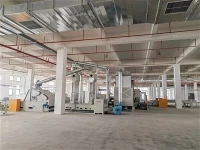
Hey there! As a supplier of non - glue production lines, I've been getting quite a few questions lately about the change - over procedures for different products on these lines. So, I thought I'd dive deep into this topic and share some valuable insights.
First off, let me briefly explain what a non - glue production line is. It's awesome tech that allows us to create various products without using traditional glues. This is not only eco - friendly but also gives the products different properties that make them stand out in the market.
The Importance of Change - Over Procedures
When you're dealing with a production line that has to switch between making multiple types of products, efficient change - over procedures are key. A smooth change - over can save a ton of time and money. For example, each time we switch from making one product to another, we're effectively pausing production. If this process takes too long, it eats into our efficiency and, ultimately, our profits.
Step - by - Step Change - Over Process
1. Planning Ahead
Before making any switch on the production line, it's crucial to have a solid plan. You need to know what product is coming up next, what materials it requires, and how long the change - over is expected to take. Check the production schedule and make sure all the necessary materials and tools are readily available. For instance, if we're moving from making a light - weight non - woven product to a heavier one, we have to ensure that the stronger raw materials are in stock and that the new product specifications are well - understood by the entire team.
2. Stopping and Cleaning the Line
Once the current production run is finished, the first step is to stop the line. This may seem obvious, but you have to do it properly. Switch off all the machinery in the right order to avoid any damage. Then, it's time to clean the production line. Different products leave behind different residues on the equipment. For a non - glue production line, we need to make sure that there are no leftover fibers or particles from the previous product. Cleaning can involve using specialized cleaning agents, brushes, and other tools. This step is essential to prevent any contamination of the new product.
3. Reconfiguring the Equipment
Now comes the meat of the change - over process - reconfiguring the equipment. Each product may have different requirements for things like pressure settings, speed, and spacing. For example, if we were producing a product with a certain thickness and now we need to switch to a thinner one, we'll have to adjust the rollers' gaps. Some of the more advanced non - glue production lines we supply can be programmed to make these adjustments automatically, but in most cases, the operators still need to double - check and fine - tune these settings.
4. Testing and Quality Control
Once the equipment is reconfigured, it's not time to start full - scale production right away. We need to run a test run. Produce a small batch of the new product and closely monitor its quality. Check for things like consistency, durability, and appearance. If there are any issues, we can quickly identify and fix them before wasting a whole lot of materials on a faulty production run.
5. Full - Scale Production
After successful testing and quality control, we can start the full - scale production of the new product. Keep an eye on the production process for the first little while to ensure that everything is running smoothly.
Challenges in Change - Over
Change - over isn't always a walk in the park. There are several challenges that we often face. One of the biggest challenges is downtime. The longer the change - over takes, the less time we have for actual production. So, we're constantly looking for ways to speed up the process without sacrificing quality.
Another challenge is having the right skills among the operators. Different products require different techniques, and the operators need to be well - trained. If there's a lack of expertise, it can lead to mistakes during the change - over, such as incorrect equipment settings or ineffective cleaning.
Case Studies
Let me share a couple of real - life examples from our experience with change - over procedures.
Company X was using our non - glue production line to switch between producing Silk Fiber Production Line products and natural fiber line products. Initially, their change - over process was taking a long time, which was affecting their overall productivity. They came to us for help. We conducted a detailed analysis of their operations and found that their operators were not fully familiar with the different product requirements. We provided additional training to their staff and updated their change - over plan. As a result, they were able to cut down their change - over time by almost 30%, leading to a significant boost in their production output.
Company Y, on the other hand, was switching between making different types of non woven fabric production line products. They faced issues with product contamination due to improper cleaning between change - overs. We worked with them to develop a more rigorous cleaning procedure. By using better cleaning tools and agents, they were able to solve the contamination problem and improve the quality of their products.
Tips for Efficient Change - Over
- Invest in Training: Make sure your operators are well - trained on all aspects of the production line and the different products it can make. This will reduce the chances of errors during change - over.
- Use Standardized Procedures: Having a set of standardized change - over procedures ensures that everyone in the team follows the same steps, leading to more efficient and consistent results.
- Leverage Technology: Consider using technology, like automated systems, to speed up the reconfiguration process. Many modern non - glue production lines can be programmed to adjust settings automatically for different products.
Wrapping Up
Change - over procedures for different products on a non - glue production line are a crucial part of running an efficient manufacturing operation. By planning ahead, following the right steps, and overcoming the challenges, you can make these changes quickly and effectively. Whether you're dealing with Silk Fiber Production Line, natural fiber line, or non woven fabric production line products, having a well - thought - out process is essential.
If you're in the market for a non - glue production line or are looking to improve your existing change - over procedures, I'd love to have a chat with you. Reach out, and let's see how we can work together to optimize your production operations and boost your bottom line.


References
- Manufacturing Best Practices Handbook: Non - Woven Production
- Production Line Efficiency: Strategies for Change - Over Success